How deep are wells in Star Valley?
A 2006 water study for the Town of Payson looked at several wells in Star Valley. Those wells were 120 to 300 feet deep, through a thin layer of sand and gravel into fractured granite. The same study lists one deeper well there at 1,000 feet.
Those wells had shallow water levels that tend to rise and fall with local recharge. Recharge is the rain and snowmelt that soak into the ground. A geology study for the federal Bureau of Reclamation found Star Valley crossed by a number of faults. In fractured rock, water moves along those breaks, so two wells close together can act very differently.
A water level that moves changes where a pump should hang. Hang a pump too close to the top of the water, and a dry spell can leave it pulling air. A new pump hung above the water level will not pump at all until it is reset lower. On a slow well, pump protection controls shut the motor off when the water runs short.
Town Water and Private Wells in Star Valley
In 2012 the town bought the local water company and turned it into a public utility. If you are not sure that utility serves your lot, the town asks you to call and confirm.
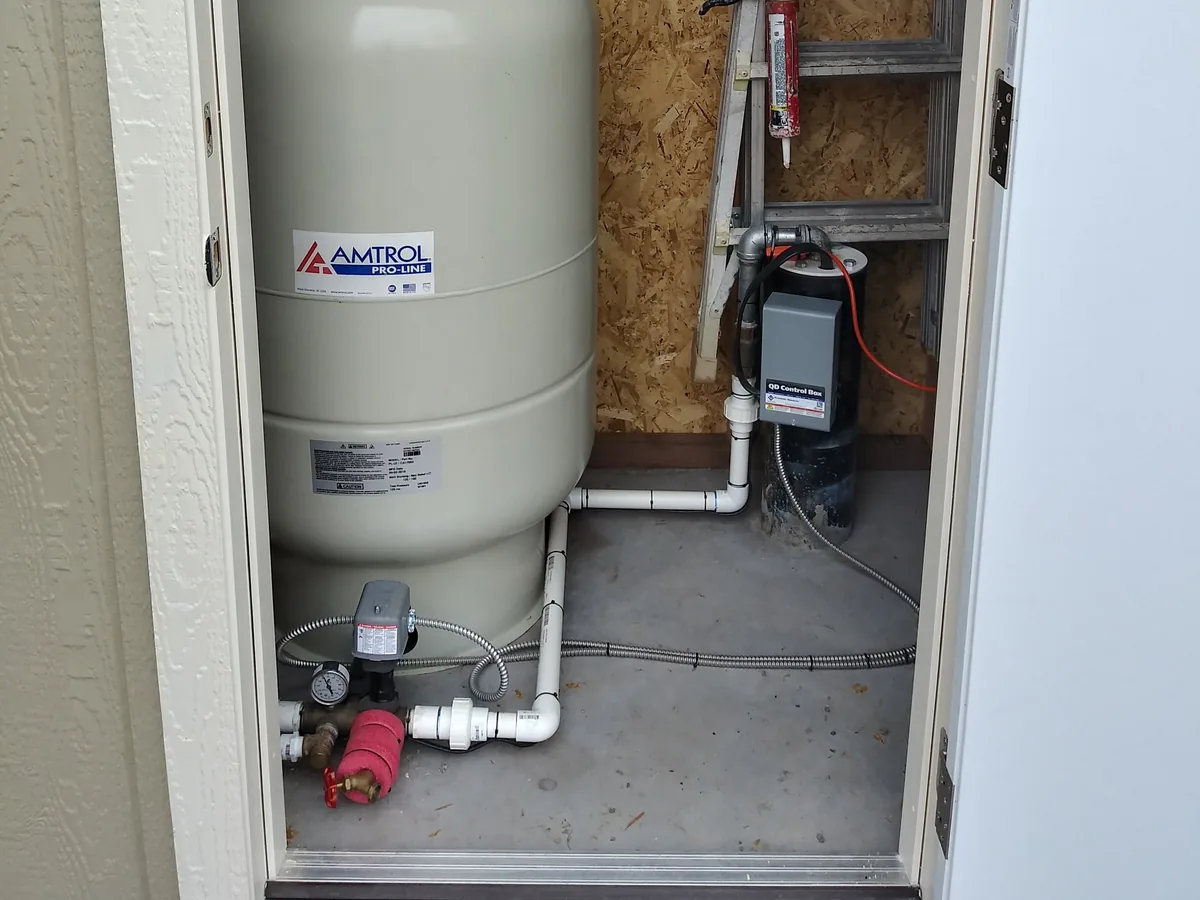
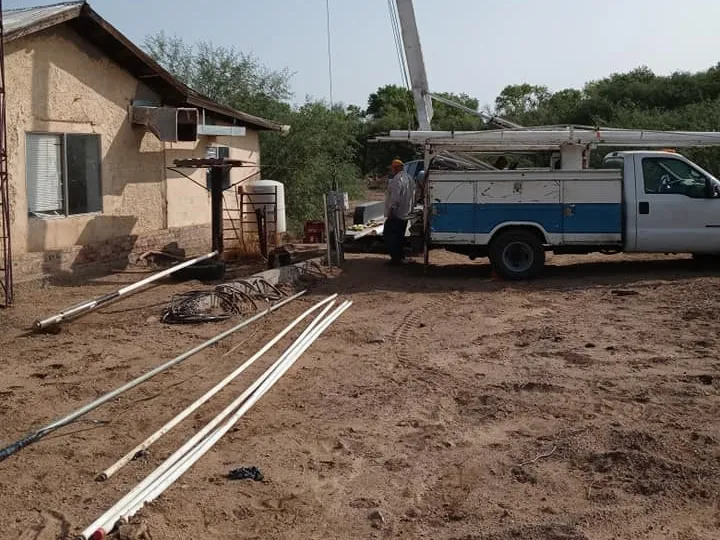
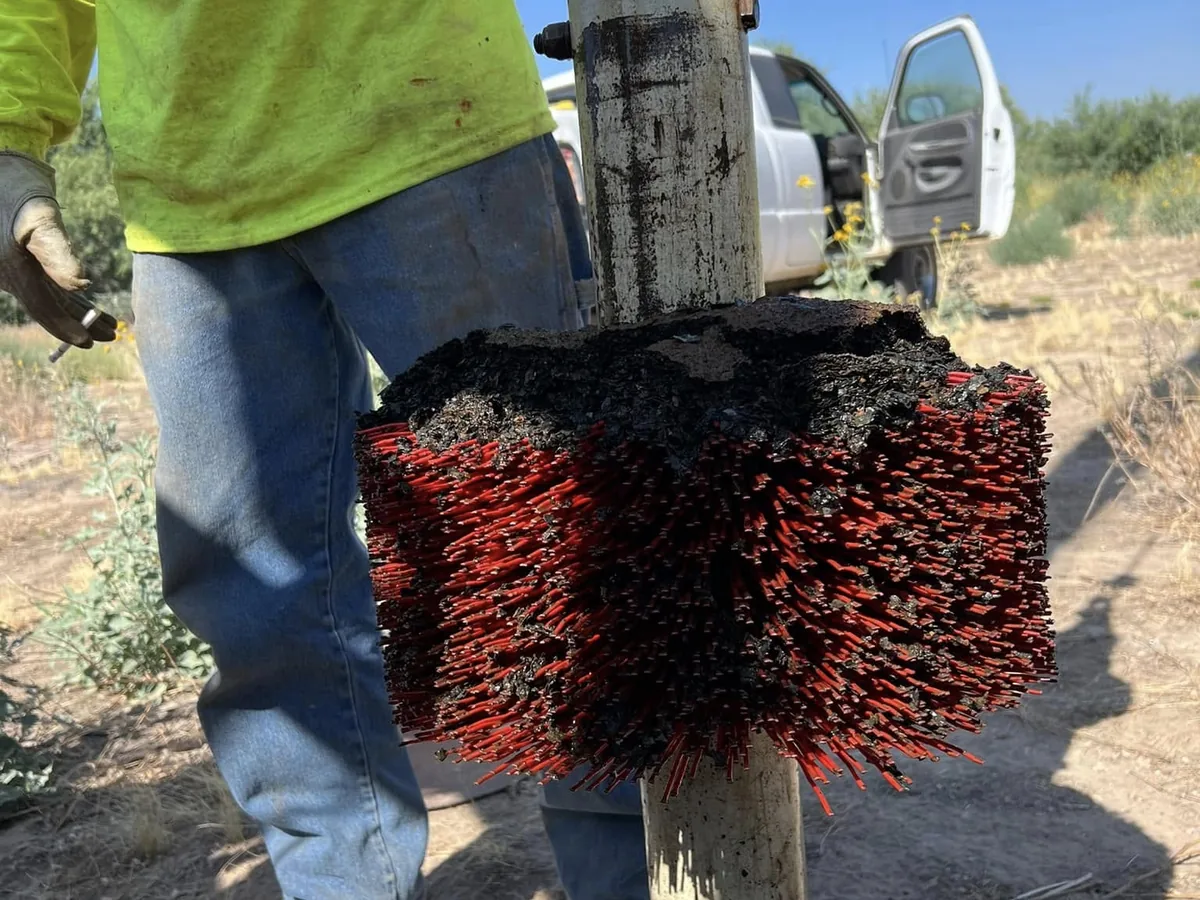
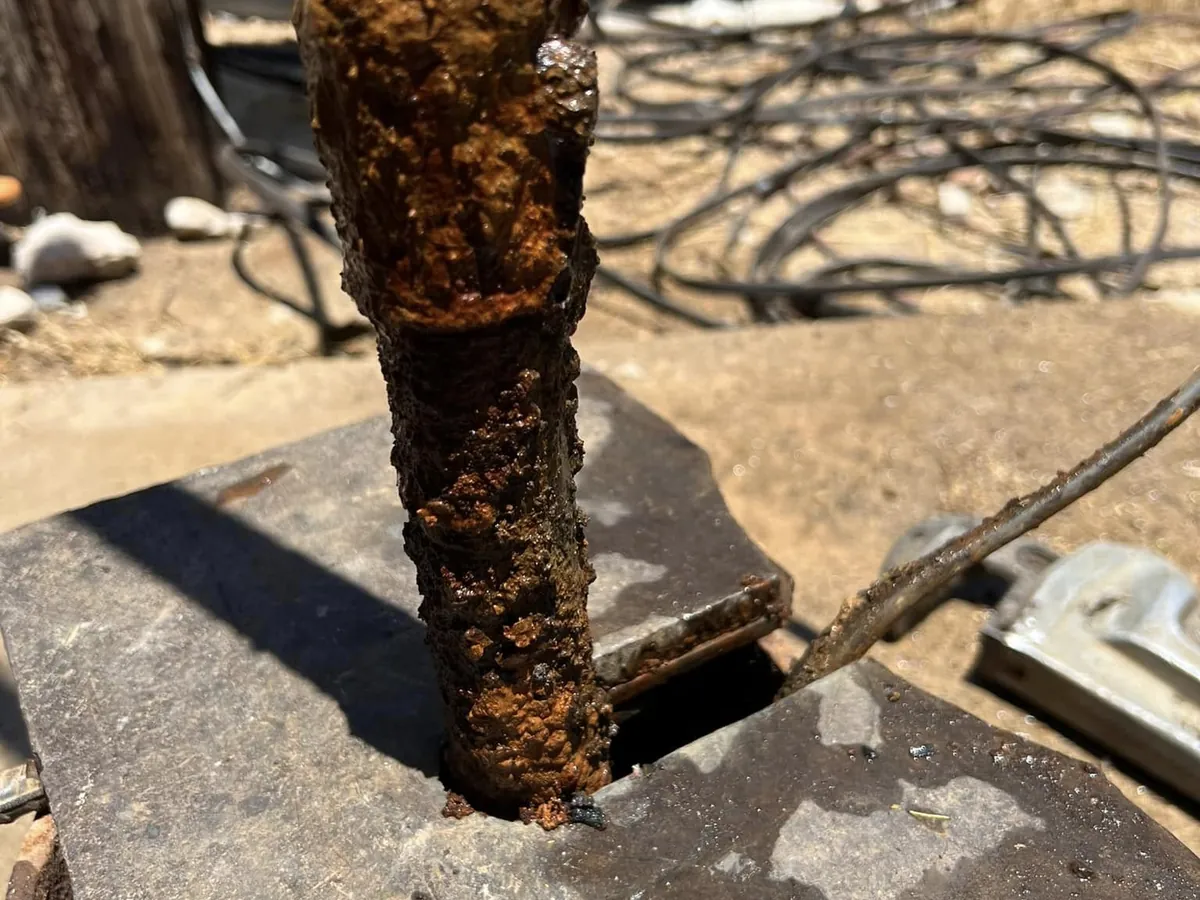
Past the utility's lines, the well is yours to keep running. That covers the pump, the drop pipe and wire, the pressure tank and the switch. An older well can also fill in with sediment, and well cleaning gets depth back in many wells.
Gila County has no Active Management Areas, so the state's AMA well rules do not apply in Star Valley. Arizona wells are still registered with the Department of Water Resources, to the parcel where each well sits. A well with a pump capacity of 35 gallons a minute or less is an exempt well under state rules.
The Groundwater History Between Star Valley and Payson
Water has been part of Star Valley's story with Payson for decades. Around 1993, a study for the Town of Payson looked at three areas for new groundwater. It rated the Star Valley and Mogollon Rim area favorable for groundwater development. It found the area's main groundwater source is rain and snow falling on the Mogollon Plateau.
In 2001, private well owners formed a coalition to challenge Payson's efforts to develop groundwater sites nearby. Those sites were on Forest Service land in and near Star Valley and Diamond Point. The town incorporated in 2005 as the Town of Diamond Star and took the name Star Valley in 2006.
A 2011 report in the Payson Roundup described a well called the Tower Well as what provoked the town's incorporation. The same report covered Star Valley's move toward buying three groundwater wells from Payson.
Pine Country Weather, Stock Water and the Drive from Globe
Star Valley takes its name from the valley Houston Creek formed on its way south to Tonto Creek. This is ponderosa pine country near the Mogollon Rim. Cold snaps hit the parts above ground first: the pressure switch, the gauge, the tank tee and bare pipe. Before we blame the pump, we test the switch, the control box, the wiring and the motor's readings.
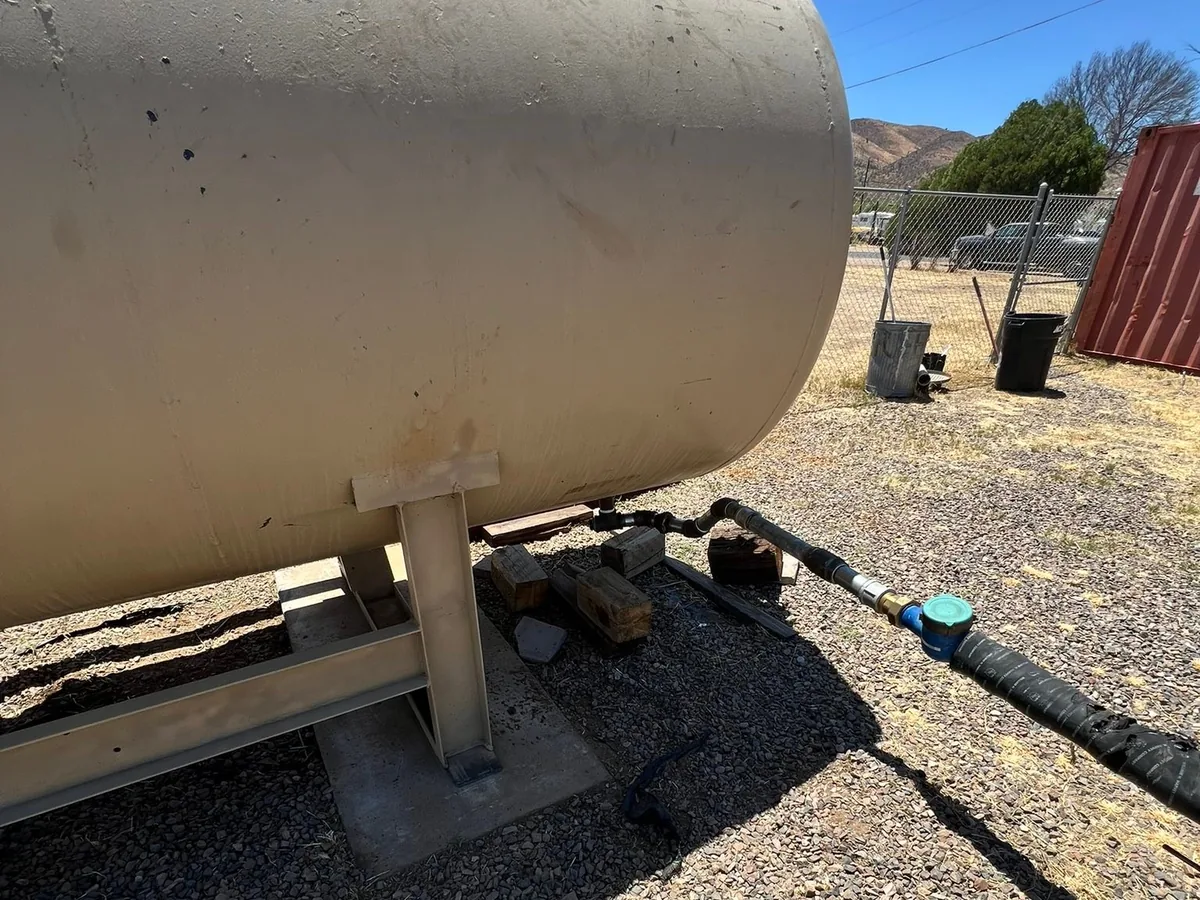
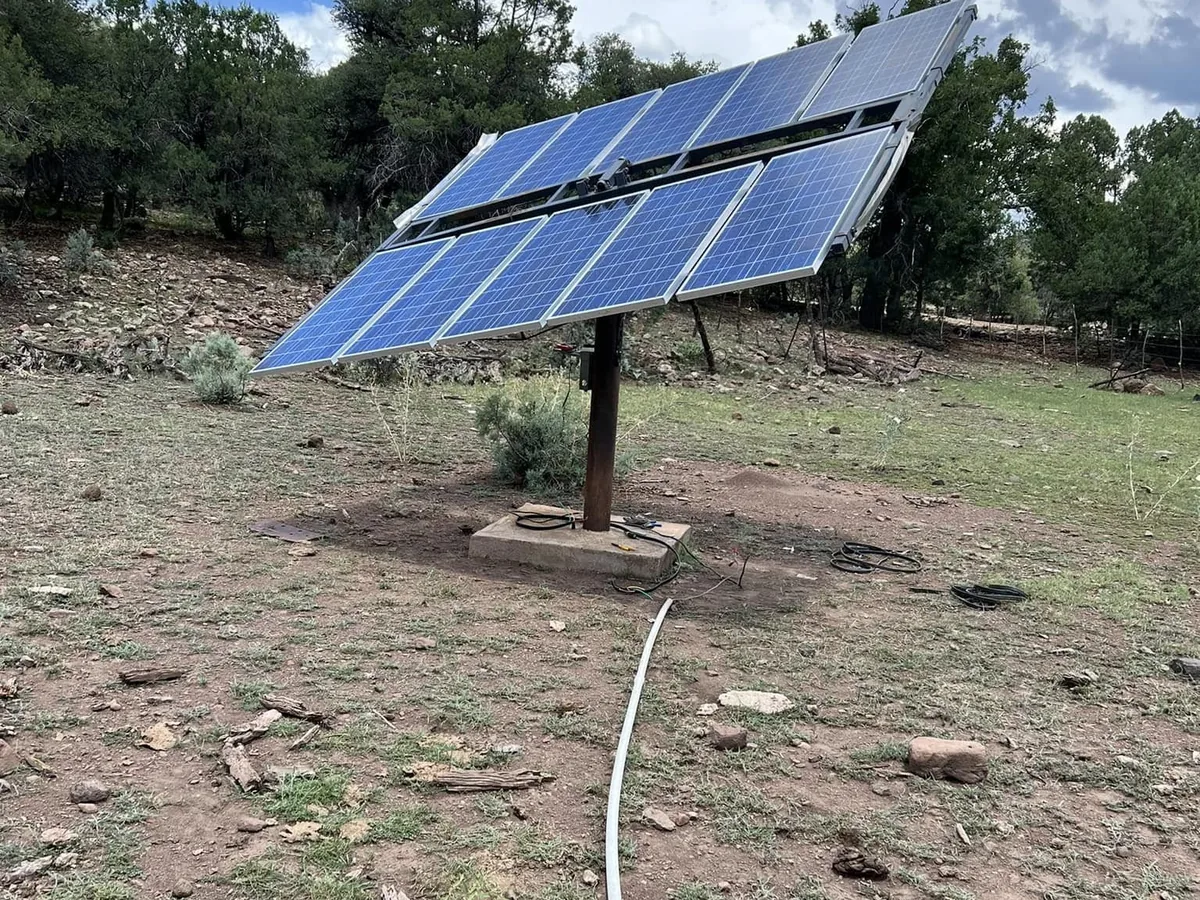
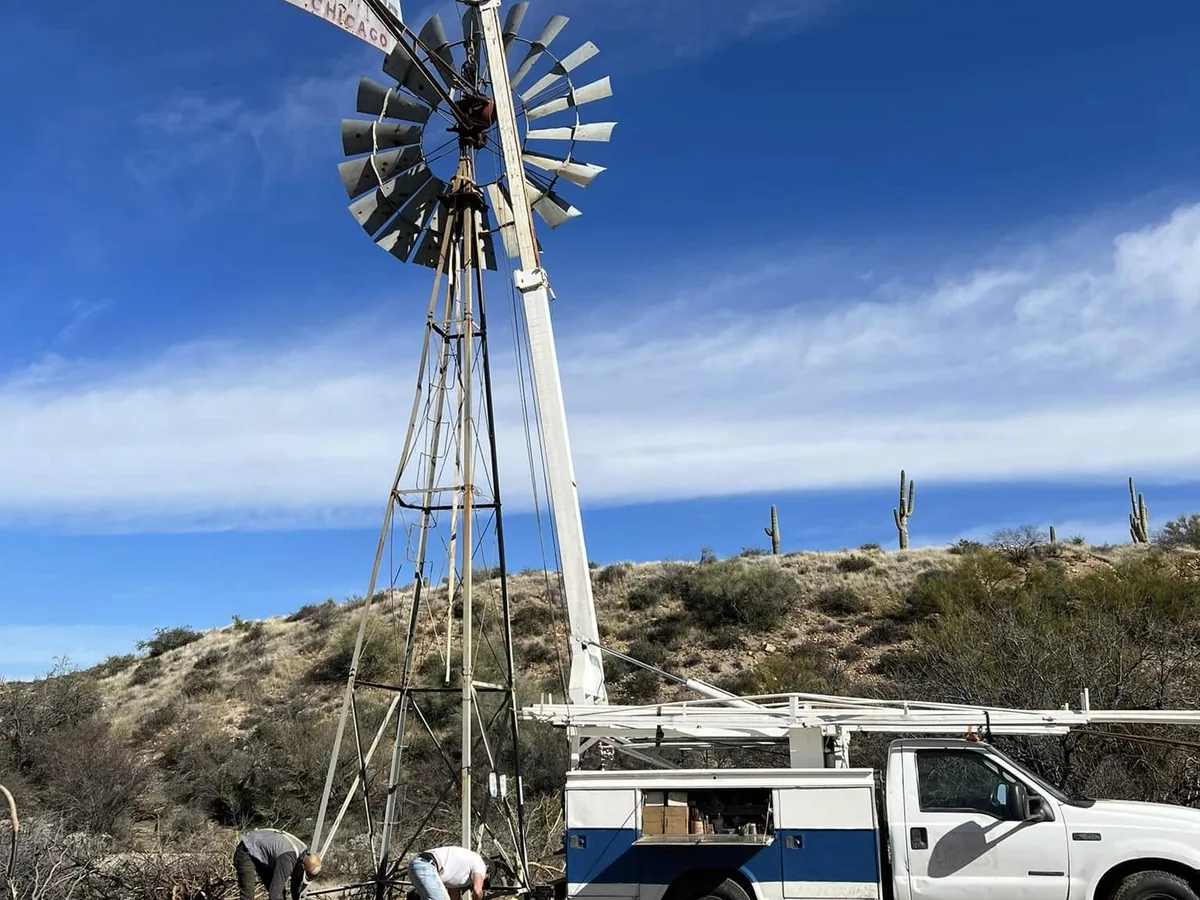
A lightning strike in a summer storm can burn out a control box or a pump motor. If your well sits far from power, solar well pumps fill a storage tank while the sun is up. We plumb and repair steel and poly water storage tanks and set the float valves that fill them. If a windmill still waters stock on your place, windmill repair covers the gearbox, the cylinder leathers and sucker rod.
We come over from Globe on State Routes 188 and 87, then east from Payson on State Route 260. A home or a herd with no water moves to the front of the schedule. We are often on a well out of cell range. If you get voicemail, text us or leave a message, and we call you back.
Communities and areas we serve around Star Valley: Houston Creek, Diamond Point Shadows, Mead Ranch, Tonto Village, Kohls Ranch, Bear Flat, State Route 260.
Star Valley ZIP codes served: 85541.